DTF vs Rhinestone vs Sequin…
How to Choose the Right…
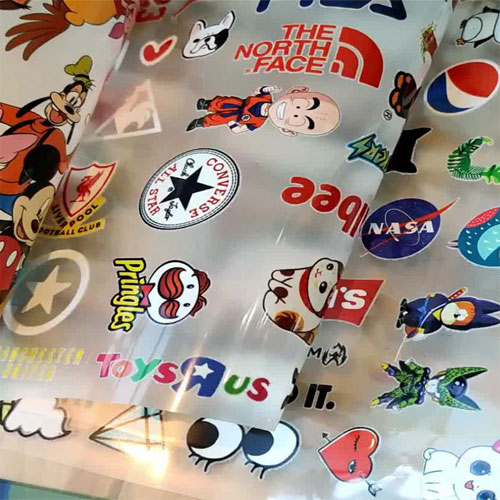
<h1 data-path-to-node="0">Premium Heat Transfer Solutions for B2B Success: High-Quality Apparel Branding in West Bengal</h1> <p data-path-to-node="1">Welcome to <b data-path-to-node="1" data-index-in-node="11">Swastik Graphix</b>, your premier destination for high-quality heat transfer solutions in Kolkata, West Bengal. As a leading manufacturer and B2B supplier, we specialize in delivering high-definition, durable, and vibrant heat transfer stickers and vinyl labels designed specifically for the garment industry. Whether you are a corporate apparel brand, a high-fashion startup, or a bulk garment exporter, our premium quality heat transfer technology ensures your brand stands out at an affordable price.</p><h2 data-path-to-node="2">Why Choose Heat Transfer for Your B2B Apparel Business?</h2> <p data-path-to-node="3">In the fast-paced world of Indian fashion and corporate branding, the demand for precision and durability is higher than ever. Heat transfer printing has emerged as the gold standard for garment customization. Unlike traditional methods, our heat transfer process ensures a seamless, "tagless" feel that enhances the wearer's comfort while maintaining sharp, photographic-quality detail.</p><h3 data-path-to-node="4">High-Quality Finishes that Last</h3> <p data-path-to-node="5">At Swastik Graphix, we understand that durability is non-negotiable for bulk buyers. Our heat transfer stickers are engineered to withstand rigorous machine washes without fading, cracking, or peeling. From <b data-path-to-node="5" data-index-in-node="207">DTF (Direct to Film) transfers</b> to <b data-path-to-node="5" data-index-in-node="241">High-Density (HD) 3D stickers</b>, we provide premium quality solutions that maintain their integrity even on stretchable fabrics.</p><h3 data-path-to-node="6">Affordable Price for Bulk Orders</h3> <p data-path-to-node="7">We specialize in serving bulk buyers across West Bengal and India. By leveraging advanced automated machinery, we provide cost-effective heat transfer printing that allows B2B clients to maximize their margins without compromising on the final look. Our pricing models are specifically structured for garment manufacturers seeking long-term supply partners.</p><h2 data-path-to-node="9">Our Range of Heat Transfer Products</h2> <p data-path-to-node="10">Swastik Graphix offers a diverse catalog of heat transfer materials tailored to various textile applications.</p><h3 data-path-to-node="11">1. DTF Heat Transfer Stickers (Direct to Film)</h3> <p data-path-to-node="12">DTF is the trending SEO favorite for a reason. It allows for vibrant, multi-color designs on almost any fabric, including cotton, polyester, denim, and nylon. Our DTF stickers are perfect for:</p><ul data-path-to-node="13"> <li> <p data-path-to-node="13,0,0"><b data-path-to-node="13,0,0" data-index-in-node="0">T-shirt Manufacturers:</b> High-speed application with zero weeding.</p> </li> <li> <p data-path-to-node="13,1,0"><b data-path-to-node="13,1,0" data-index-in-node="0">Activewear Brands:</b> Flexible prints that move with the fabric.</p> </li> <li> <p data-path-to-node="13,2,0"><b data-path-to-node="13,2,0" data-index-in-node="0">Custom Merchandise:</b> Vivid colors that pop against any garment color.</p> </li> </ul> <h3 data-path-to-node="14">2. Premium Vinyl Heat Transfer (HTV)</h3> <p data-path-to-node="15">For clean, bold logos and corporate branding, our Vinyl Heat Transfer options are unmatched. We offer:</p><ul data-path-to-node="16"> <li> <p data-path-to-node="16,0,0"><b data-path-to-node="16,0,0" data-index-in-node="0">Matte & Glossy Finishes:</b> For a sleek, professional corporate look.</p> </li> <li> <p data-path-to-node="16,1,0"><b data-path-to-node="16,1,0" data-index-in-node="0">Reflective Heat Transfer:</b> Essential for safety gear and trendy "streetwear" collections in Kolkata.</p> </li> <li> <p data-path-to-node="16,2,0"><b data-path-to-node="16,2,0" data-index-in-node="0">Metallic & Glitter Vinyl:</b> Adding a luxury touch to premium fashion labels.</p> </li> </ul> <h3 data-path-to-node="17">3. High-Density (HD) 3D Heat Transfers</h3> <p data-path-to-node="18">Take your branding to the next dimension. Our HD heat transfer stickers provide a raised, tactile effect that screams premium quality. This is a favorite for sports brands and high-end fashion boutiques looking to differentiate their products in the West Bengal market.</p><h3 data-path-to-node="19">4. Tagless Neck Labels</h3> <p data-path-to-node="20">Enhance your brand's perceived value by replacing itchy woven labels with soft, heat-applied neck transfers. These are perfect for exporters and brands focusing on consumer comfort.</p><h2 data-path-to-node="22">Targeted Solutions for Bulk Buyers and Manufacturers</h2> <p data-path-to-node="23">If you are a garment exporter in Metiabruz, a wholesaler in Burrabazar, or a fashion startup in Salt Lake, Swastik Graphix is built to scale with your needs.</p><h3 data-path-to-node="24">Streamlined B2B Workflow</h3> <p data-path-to-node="25">We understand the logistics of bulk production. Our process is designed for speed:</p><ul data-path-to-node="26"> <li> <p data-path-to-node="26,0,0"><b data-path-to-node="26,0,0" data-index-in-node="0">Custom Prototyping:</b> Get a sample to test on your specific fabric.</p> </li> <li> <p data-path-to-node="26,1,0"><b data-path-to-node="26,1,0" data-index-in-node="0">Scalable Production:</b> From 500 to 50,000+ units, we maintain consistent color accuracy.</p> </li> <li> <p data-path-to-node="26,2,0"><b data-path-to-node="26,2,0" data-index-in-node="0">Fast Turnaround:</b> Located in West Bengal, we offer rapid delivery to minimize your production downtime.</p> </li> </ul> <h3 data-path-to-node="27">Sustainable and Eco-Friendly Options</h3> <p data-path-to-node="28">The global market is shifting toward sustainability. Swastik Graphix offers eco-friendly heat transfer vinyl options that use water-based adhesives and non-toxic inks. These materials are perfect for sustainable clothing brands looking to appeal to environmentally conscious consumers.</p><h2 data-path-to-node="30">The Swastik Graphix Advantage in West Bengal</h2> <h3 data-path-to-node="31">West Bengal’s Trusted Branding Partner</h3> <p data-path-to-node="32">Operating out of the heart of West Bengal, we have a deep understanding of the local textile ecosystem. We serve the massive garment hubs of Kolkata, providing on-the-ground support that international suppliers simply cannot match. When you search for "Heat Transfer Stickers Kolkata" or "DTF Printing West Bengal," Swastik Graphix is the name associated with reliability.</p><h3 data-path-to-node="33">High-Definition Precision</h3> <p data-path-to-node="34">Our technology allows for intricate designs that screen printing often struggles with. We can reproduce fine lines, small text, and complex gradients with 100% accuracy. This precision is vital for corporate logos and detailed artistic prints.</p><h3 data-path-to-node="35">Versatility Across Industries</h3> <p data-path-to-node="36">While we are leaders in the garment sector, our heat transfers are also ideal for:</p><ul data-path-to-node="37"> <li> <p data-path-to-node="37,0,0"><b data-path-to-node="37,0,0" data-index-in-node="0">Bags and Backpacks:</b> Durable transfers for canvas and synthetic materials.</p> </li> <li> <p data-path-to-node="37,1,0"><b data-path-to-node="37,1,0" data-index-in-node="0">Caps and Hats:</b> Perfect for small-surface area branding.</p> </li> <li> <p data-path-to-node="37,2,0"><b data-path-to-node="37,2,0" data-index-in-node="0">Home Textiles:</b> Personalized cushions, curtains, and linens.</p> </li> </ul> <h2 data-path-to-node="39">How to Apply Swastik Graphix Heat Transfers</h2> <p data-path-to-node="40">Our products are designed for easy application using a standard industrial heat press. For bulk buyers, we provide detailed technical specifications regarding temperature, pressure, and peel time (Hot Peel/Cold Peel) to ensure every garment is perfect.</p><ol start="1" data-path-to-node="41"> <li> <p data-path-to-node="41,0,0"><b data-path-to-node="41,0,0" data-index-in-node="0">Preparation:</b> Ensure the garment is flat and moisture-free.</p> </li> <li> <p data-path-to-node="41,1,0"><b data-path-to-node="41,1,0" data-index-in-node="0">Positioning:</b> Place the Swastik Graphix transfer precisely on the target area.</p> </li> <li> <p data-path-to-node="41,2,0"><b data-path-to-node="41,2,0" data-index-in-node="0">Pressing:</b> Apply heat according to the provided material guidelines.</p> </li> <li> <p data-path-to-node="41,3,0"><b data-path-to-node="41,3,0" data-index-in-node="0">Finishing:</b> Peel the carrier film to reveal a vibrant, permanent brand mark.</p> </li> </ol> <h2 data-path-to-node="43">Elevate Your Brand with Premium Heat Transfer Stickers</h2> <p data-path-to-node="44">In a competitive market, your branding is your identity. Don’t settle for low-grade stickers that crack after two washes. Invest in <b data-path-to-node="44" data-index-in-node="132">Premium Quality Heat Transfer</b> from Swastik Graphix and give your customers the durability they deserve.</p><h3 data-path-to-node="45">Get a Quote for Bulk Heat Transfer Today</h3> <p data-path-to-node="46">Are you ready to scale your production with the best heat transfer stickers in West Bengal? Contact Swastik Graphix for <b data-path-to-node="46" data-index-in-node="120">affordable price</b> quotes on bulk orders. Our team of experts is ready to assist you in choosing the right material for your fabric type.</p> <p data-path-to-node="47"><b data-path-to-node="47" data-index-in-node="0">Keywords:</b> <i data-path-to-node="47" data-index-in-node="10">Heat Transfer Stickers Kolkata, DTF Printing West Bengal, Bulk Garment Labels, Premium Heat Transfer Vinyl, B2B Clothing Branding, High-Quality Textile Stickers, Affordable Heat Press Labels India.</i></p><h2 data-path-to-node="49">Frequently Asked Questions (FAQ) for Bulk Buyers</h2> <h3 data-path-to-node="50">What is the minimum order quantity (MOQ) for B2B orders?</h3> <p data-path-to-node="51">We cater to both growing startups and large-scale manufacturers. Contact us directly to discuss a custom MOQ that fits your current production cycle.</p><h3 data-path-to-node="52">Can your heat transfers be applied to waterproof fabrics?</h3> <p data-path-to-node="53">Yes, we have specialized adhesives designed for nylon and treated waterproof fabrics often used in rainwear and outdoor gear.</p><h3 data-path-to-node="54">Do you offer design assistance?</h3> <p data-path-to-node="55">Our team can help optimize your artwork for the heat transfer process to ensure maximum clarity and color vibrancy.</p><h3 data-path-to-node="56">How long does delivery take within West Bengal?</h3> <p data-path-to-node="57">For bulk orders, we typically offer a quick turnaround time of 5-7 business days, depending on the complexity and volume of the order.</p><h3 data-path-to-node="59">Contact Swastik Graphix:</h3> <p data-path-to-node="61"><b data-path-to-node="61" data-index-in-node="0">Specialty:</b> Heat Transfer, Screen Printing, Embroidery, and Swarovski Customization.</p> <p data-path-to-node="62"><b data-path-to-node="62" data-index-in-node="0">Commitment:</b> High Quality, Precision, and Customer Satisfaction.</p> <p data-path-to-node="63"><i data-path-to-node="63" data-index-in-node="0">Transform your apparel into wearable art with Swastik Graphix—where creativity meets industrial precision.</i></p>
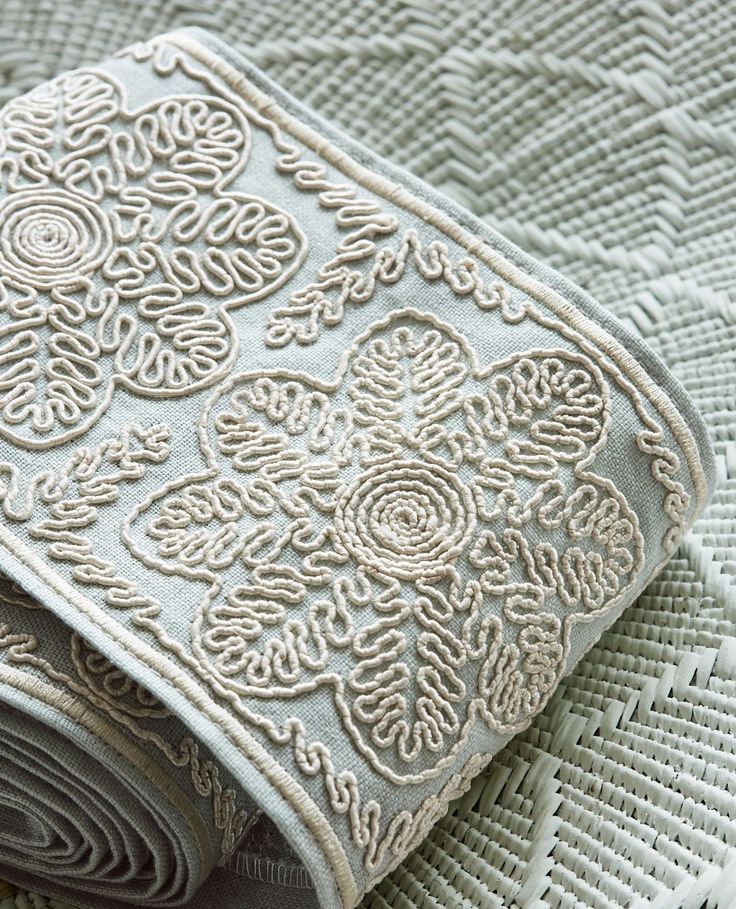
Bring texture and dimension to your designs with our premium <strong data-start="103" data-end="125">cording embroidery</strong> services. Perfect for fashion, home textiles, and accent pieces, we deliver precise, durable stitching with custom thread options. Ideal for bulk orders or bespoke runs—boost your brand with refined, tactile detailing.
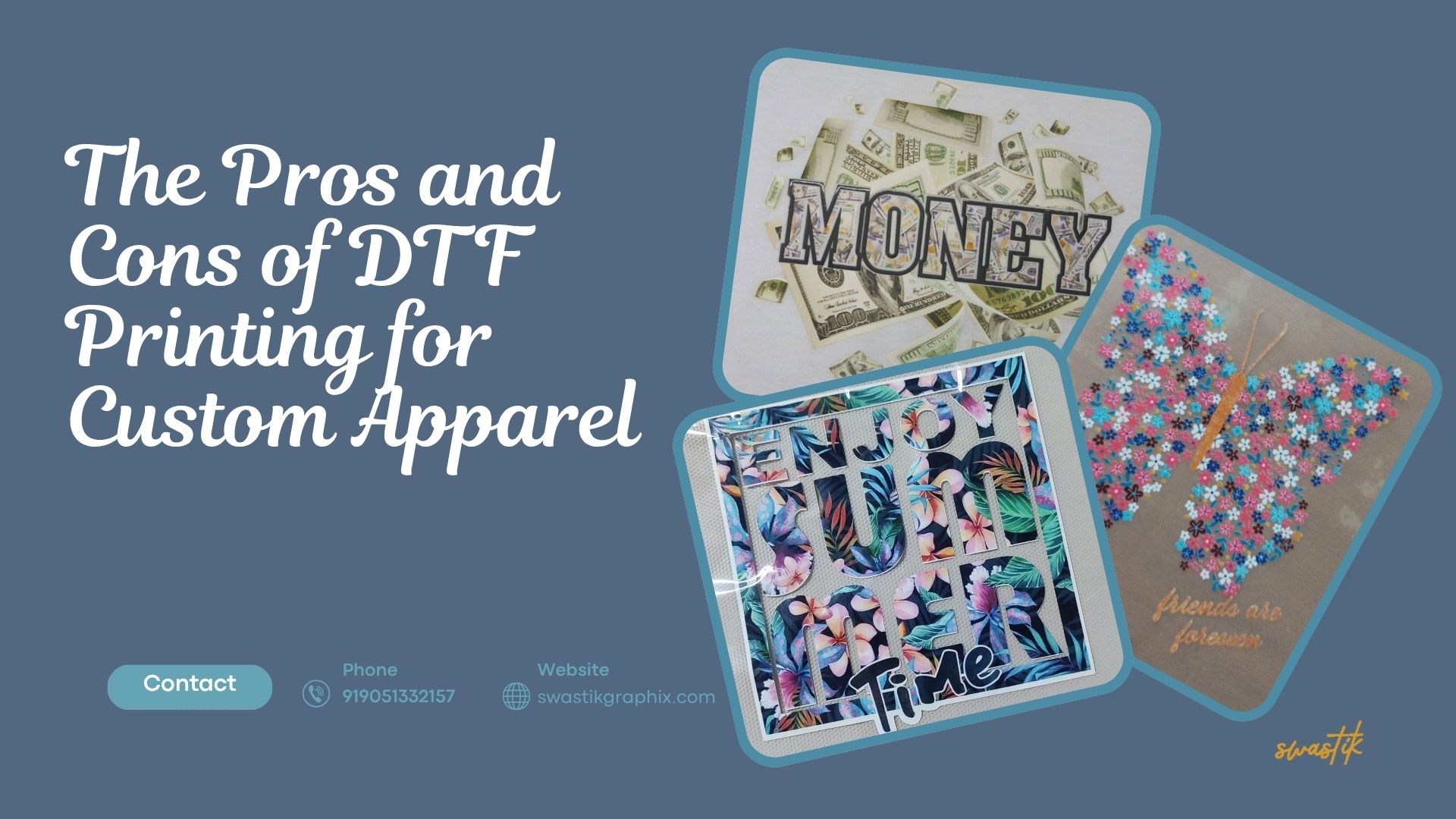
The world of apparel customization is ever-evolving. In this domain, DTF (Direct-to-Film) printing has quickly turned out to be one of the most versatile and in-demand printing techniques. You might be a small business owner, an independent designer, or a print-on-demand brand owner; it does not matter. DTF printing from a bulk DTF transfer supplier… Continue reading The Pros and Cons of DTF Printing for Custom Apparel
The world of apparel customization is ever-evolving. In this domain, DTF (Direct-to-Film) printing has quickly turned out to be one of the most versatile and in-demand printing techniques. You might be a small business owner, an independent designer, or a print-on-demand brand owner; it does not matter. DTF printing from a bulk DTF transfer supplier can be effective for you. You can find it an efficient, cost-effective way to make your creative ideas come to life – on fabric. Keep in mind that like every printing method, this one also comes with its own set of advantages and drawbacks. Find out about the pros and cons of DTF printing for custom apparel. It can help you make smarter business decisions.
There are quite a few advantages:
Flexibility is among the biggest advantages of DTF printing. It sticks well to many fabrics, such as cotton, polyester, fleece, canvas, and even nylon. This is something that many other printing techniques struggle with. Due to this versatility, you can see apparel designers having the freedom to produce diverse product lines without switching printing methods.
Do you know that DTF printing uses CMYK and white inks? It can reproduce detailed custom DTF designs with exceptional color accuracy and sharpness. You can maintain consistency and visual appeal, whether you work on intricate logos, gradient effects, or colorful graphics.
Strength and endurance are two of the biggest benefits of DTF prints. The heat transfer process creates a strong bond between the film and the fabric. Naturally, you can find prints that resist fading, cracking, and peeling – even after many washes. So, it is an excellent choice for activewear and everyday apparel.
DTF, unlike screen printing, does not need screens, stencils, or color separations. Thus, setup time and costs are less. It is especially beneficial for small batches or one-off orders. You can also find many businesses using custom DTF transfers for quickly applying pre-printed designs onto multiple garments. It is helping to speed up production and minimize wastage.
It is also easier for print shops and clothing brands to scale their operations efficiently by partnering with a bulk DTF supplier. Bulk orders allow faster fulfillment and can reduce per-unit costs. Thus, you can understand why DTF is so favorable for wholesale and retail-level customization.
There are some disadvantages too.
When compared to DTG or sublimation prints, DTF transfers can feel a bit thicker. This is because, the print sits on top of the fabric rather than soaking in. However, customers who prefer ultra-soft or lightweight finishes might not like this.
Do you know that DTF printers need regular maintenance? Otherwise, there can be ink clogs and film jams. If these steps are neglected, it can affect print quality and consistency. This can add to long-term operational costs.
You should note that DTF printing uses PET films and adhesive powders. These are not always eco-friendly. Brands that focus on sustainable production should assess their material sourcing carefully.
If you want to streamline production, wholesale DTF transfers can be a smart investment. You can get convenience, along with professional-grade results.
