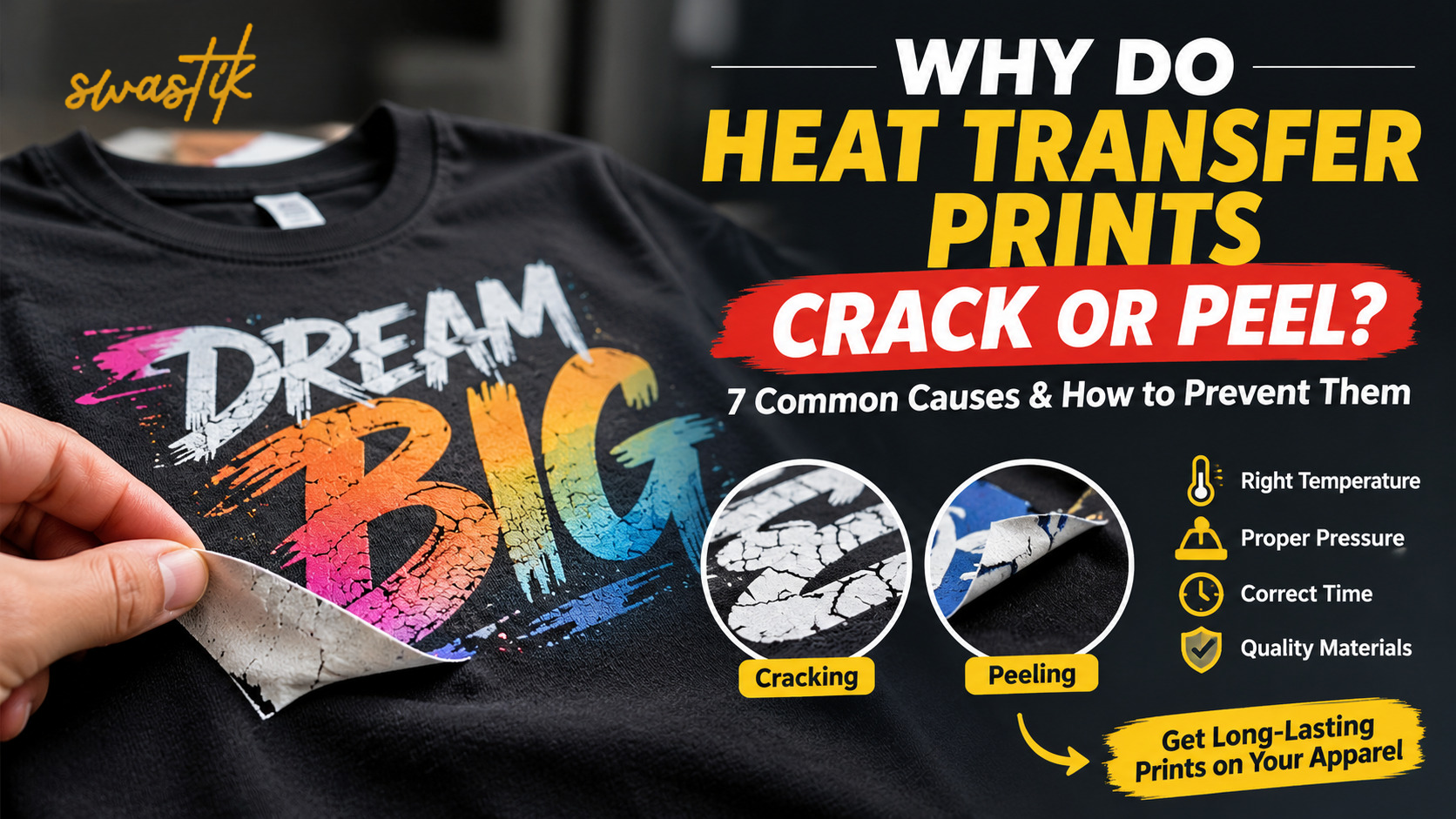
Why Do Heat Transfer Prints…
Best Garment Decoration Techniques for…
<h1 data-path-to-node="0">Premium Heat Transfer Solutions for B2B Success: High-Quality Apparel Branding in West Bengal</h1> <p data-path-to-node="1">Welcome to <b data-path-to-node="1" data-index-in-node="11">Swastik Graphix</b>, your premier destination for high-quality heat transfer solutions in Kolkata, West Bengal. As a leading manufacturer and B2B supplier, we specialize in delivering high-definition, durable, and vibrant heat transfer stickers and vinyl labels designed specifically for the garment industry. Whether you are a corporate apparel brand, a high-fashion startup, or a bulk garment exporter, our premium quality heat transfer technology ensures your brand stands out at an affordable price.</p><h2 data-path-to-node="2">Why Choose Heat Transfer for Your B2B Apparel Business?</h2> <p data-path-to-node="3">In the fast-paced world of Indian fashion and corporate branding, the demand for precision and durability is higher than ever. Heat transfer printing has emerged as the gold standard for garment customization. Unlike traditional methods, our heat transfer process ensures a seamless, "tagless" feel that enhances the wearer's comfort while maintaining sharp, photographic-quality detail.</p><h3 data-path-to-node="4">High-Quality Finishes that Last</h3> <p data-path-to-node="5">At Swastik Graphix, we understand that durability is non-negotiable for bulk buyers. Our heat transfer stickers are engineered to withstand rigorous machine washes without fading, cracking, or peeling. From <b data-path-to-node="5" data-index-in-node="207">DTF (Direct to Film) transfers</b> to <b data-path-to-node="5" data-index-in-node="241">High-Density (HD) 3D stickers</b>, we provide premium quality solutions that maintain their integrity even on stretchable fabrics.</p><h3 data-path-to-node="6">Affordable Price for Bulk Orders</h3> <p data-path-to-node="7">We specialize in serving bulk buyers across West Bengal and India. By leveraging advanced automated machinery, we provide cost-effective heat transfer printing that allows B2B clients to maximize their margins without compromising on the final look. Our pricing models are specifically structured for garment manufacturers seeking long-term supply partners.</p><h2 data-path-to-node="9">Our Range of Heat Transfer Products</h2> <p data-path-to-node="10">Swastik Graphix offers a diverse catalog of heat transfer materials tailored to various textile applications.</p><h3 data-path-to-node="11">1. DTF Heat Transfer Stickers (Direct to Film)</h3> <p data-path-to-node="12">DTF is the trending SEO favorite for a reason. It allows for vibrant, multi-color designs on almost any fabric, including cotton, polyester, denim, and nylon. Our DTF stickers are perfect for:</p><ul data-path-to-node="13"> <li> <p data-path-to-node="13,0,0"><b data-path-to-node="13,0,0" data-index-in-node="0">T-shirt Manufacturers:</b> High-speed application with zero weeding.</p> </li> <li> <p data-path-to-node="13,1,0"><b data-path-to-node="13,1,0" data-index-in-node="0">Activewear Brands:</b> Flexible prints that move with the fabric.</p> </li> <li> <p data-path-to-node="13,2,0"><b data-path-to-node="13,2,0" data-index-in-node="0">Custom Merchandise:</b> Vivid colors that pop against any garment color.</p> </li> </ul> <h3 data-path-to-node="14">2. Premium Vinyl Heat Transfer (HTV)</h3> <p data-path-to-node="15">For clean, bold logos and corporate branding, our Vinyl Heat Transfer options are unmatched. We offer:</p><ul data-path-to-node="16"> <li> <p data-path-to-node="16,0,0"><b data-path-to-node="16,0,0" data-index-in-node="0">Matte & Glossy Finishes:</b> For a sleek, professional corporate look.</p> </li> <li> <p data-path-to-node="16,1,0"><b data-path-to-node="16,1,0" data-index-in-node="0">Reflective Heat Transfer:</b> Essential for safety gear and trendy "streetwear" collections in Kolkata.</p> </li> <li> <p data-path-to-node="16,2,0"><b data-path-to-node="16,2,0" data-index-in-node="0">Metallic & Glitter Vinyl:</b> Adding a luxury touch to premium fashion labels.</p> </li> </ul> <h3 data-path-to-node="17">3. High-Density (HD) 3D Heat Transfers</h3> <p data-path-to-node="18">Take your branding to the next dimension. Our HD heat transfer stickers provide a raised, tactile effect that screams premium quality. This is a favorite for sports brands and high-end fashion boutiques looking to differentiate their products in the West Bengal market.</p><h3 data-path-to-node="19">4. Tagless Neck Labels</h3> <p data-path-to-node="20">Enhance your brand's perceived value by replacing itchy woven labels with soft, heat-applied neck transfers. These are perfect for exporters and brands focusing on consumer comfort.</p><h2 data-path-to-node="22">Targeted Solutions for Bulk Buyers and Manufacturers</h2> <p data-path-to-node="23">If you are a garment exporter in Metiabruz, a wholesaler in Burrabazar, or a fashion startup in Salt Lake, Swastik Graphix is built to scale with your needs.</p><h3 data-path-to-node="24">Streamlined B2B Workflow</h3> <p data-path-to-node="25">We understand the logistics of bulk production. Our process is designed for speed:</p><ul data-path-to-node="26"> <li> <p data-path-to-node="26,0,0"><b data-path-to-node="26,0,0" data-index-in-node="0">Custom Prototyping:</b> Get a sample to test on your specific fabric.</p> </li> <li> <p data-path-to-node="26,1,0"><b data-path-to-node="26,1,0" data-index-in-node="0">Scalable Production:</b> From 500 to 50,000+ units, we maintain consistent color accuracy.</p> </li> <li> <p data-path-to-node="26,2,0"><b data-path-to-node="26,2,0" data-index-in-node="0">Fast Turnaround:</b> Located in West Bengal, we offer rapid delivery to minimize your production downtime.</p> </li> </ul> <h3 data-path-to-node="27">Sustainable and Eco-Friendly Options</h3> <p data-path-to-node="28">The global market is shifting toward sustainability. Swastik Graphix offers eco-friendly heat transfer vinyl options that use water-based adhesives and non-toxic inks. These materials are perfect for sustainable clothing brands looking to appeal to environmentally conscious consumers.</p><h2 data-path-to-node="30">The Swastik Graphix Advantage in West Bengal</h2> <h3 data-path-to-node="31">West Bengal’s Trusted Branding Partner</h3> <p data-path-to-node="32">Operating out of the heart of West Bengal, we have a deep understanding of the local textile ecosystem. We serve the massive garment hubs of Kolkata, providing on-the-ground support that international suppliers simply cannot match. When you search for "Heat Transfer Stickers Kolkata" or "DTF Printing West Bengal," Swastik Graphix is the name associated with reliability.</p><h3 data-path-to-node="33">High-Definition Precision</h3> <p data-path-to-node="34">Our technology allows for intricate designs that screen printing often struggles with. We can reproduce fine lines, small text, and complex gradients with 100% accuracy. This precision is vital for corporate logos and detailed artistic prints.</p><h3 data-path-to-node="35">Versatility Across Industries</h3> <p data-path-to-node="36">While we are leaders in the garment sector, our heat transfers are also ideal for:</p><ul data-path-to-node="37"> <li> <p data-path-to-node="37,0,0"><b data-path-to-node="37,0,0" data-index-in-node="0">Bags and Backpacks:</b> Durable transfers for canvas and synthetic materials.</p> </li> <li> <p data-path-to-node="37,1,0"><b data-path-to-node="37,1,0" data-index-in-node="0">Caps and Hats:</b> Perfect for small-surface area branding.</p> </li> <li> <p data-path-to-node="37,2,0"><b data-path-to-node="37,2,0" data-index-in-node="0">Home Textiles:</b> Personalized cushions, curtains, and linens.</p> </li> </ul> <h2 data-path-to-node="39">How to Apply Swastik Graphix Heat Transfers</h2> <p data-path-to-node="40">Our products are designed for easy application using a standard industrial heat press. For bulk buyers, we provide detailed technical specifications regarding temperature, pressure, and peel time (Hot Peel/Cold Peel) to ensure every garment is perfect.</p><ol start="1" data-path-to-node="41"> <li> <p data-path-to-node="41,0,0"><b data-path-to-node="41,0,0" data-index-in-node="0">Preparation:</b> Ensure the garment is flat and moisture-free.</p> </li> <li> <p data-path-to-node="41,1,0"><b data-path-to-node="41,1,0" data-index-in-node="0">Positioning:</b> Place the Swastik Graphix transfer precisely on the target area.</p> </li> <li> <p data-path-to-node="41,2,0"><b data-path-to-node="41,2,0" data-index-in-node="0">Pressing:</b> Apply heat according to the provided material guidelines.</p> </li> <li> <p data-path-to-node="41,3,0"><b data-path-to-node="41,3,0" data-index-in-node="0">Finishing:</b> Peel the carrier film to reveal a vibrant, permanent brand mark.</p> </li> </ol> <h2 data-path-to-node="43">Elevate Your Brand with Premium Heat Transfer Stickers</h2> <p data-path-to-node="44">In a competitive market, your branding is your identity. Don’t settle for low-grade stickers that crack after two washes. Invest in <b data-path-to-node="44" data-index-in-node="132">Premium Quality Heat Transfer</b> from Swastik Graphix and give your customers the durability they deserve.</p><h3 data-path-to-node="45">Get a Quote for Bulk Heat Transfer Today</h3> <p data-path-to-node="46">Are you ready to scale your production with the best heat transfer stickers in West Bengal? Contact Swastik Graphix for <b data-path-to-node="46" data-index-in-node="120">affordable price</b> quotes on bulk orders. Our team of experts is ready to assist you in choosing the right material for your fabric type.</p> <p data-path-to-node="47"><b data-path-to-node="47" data-index-in-node="0">Keywords:</b> <i data-path-to-node="47" data-index-in-node="10">Heat Transfer Stickers Kolkata, DTF Printing West Bengal, Bulk Garment Labels, Premium Heat Transfer Vinyl, B2B Clothing Branding, High-Quality Textile Stickers, Affordable Heat Press Labels India.</i></p><h2 data-path-to-node="49">Frequently Asked Questions (FAQ) for Bulk Buyers</h2> <h3 data-path-to-node="50">What is the minimum order quantity (MOQ) for B2B orders?</h3> <p data-path-to-node="51">We cater to both growing startups and large-scale manufacturers. Contact us directly to discuss a custom MOQ that fits your current production cycle.</p><h3 data-path-to-node="52">Can your heat transfers be applied to waterproof fabrics?</h3> <p data-path-to-node="53">Yes, we have specialized adhesives designed for nylon and treated waterproof fabrics often used in rainwear and outdoor gear.</p><h3 data-path-to-node="54">Do you offer design assistance?</h3> <p data-path-to-node="55">Our team can help optimize your artwork for the heat transfer process to ensure maximum clarity and color vibrancy.</p><h3 data-path-to-node="56">How long does delivery take within West Bengal?</h3> <p data-path-to-node="57">For bulk orders, we typically offer a quick turnaround time of 5-7 business days, depending on the complexity and volume of the order.</p><h3 data-path-to-node="59">Contact Swastik Graphix:</h3> <p data-path-to-node="61"><b data-path-to-node="61" data-index-in-node="0">Specialty:</b> Heat Transfer, Screen Printing, Embroidery, and Swarovski Customization.</p> <p data-path-to-node="62"><b data-path-to-node="62" data-index-in-node="0">Commitment:</b> High Quality, Precision, and Customer Satisfaction.</p> <p data-path-to-node="63"><i data-path-to-node="63" data-index-in-node="0">Transform your apparel into wearable art with Swastik Graphix—where creativity meets industrial precision.</i></p>
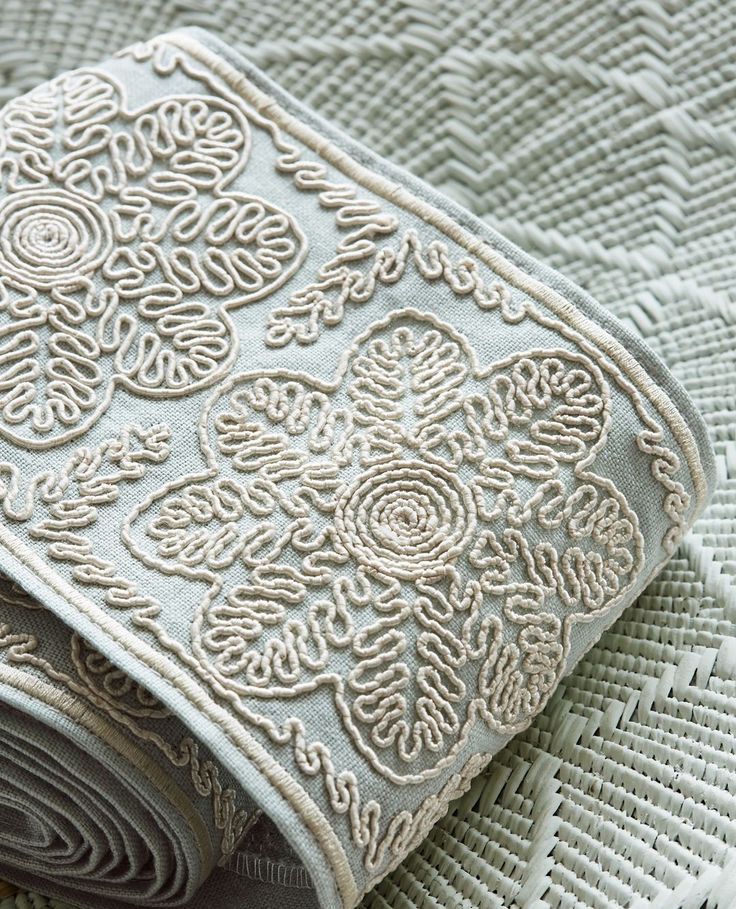
Bring texture and dimension to your designs with our premium <strong data-start="103" data-end="125">cording embroidery</strong> services. Perfect for fashion, home textiles, and accent pieces, we deliver precise, durable stitching with custom thread options. Ideal for bulk orders or bespoke runs—boost your brand with refined, tactile detailing.
Why Do Heat Transfer Prints Crack or Peel? 7 Common Causes and How to Prevent Them Heat transfer printing is widely used by apparel brands and garment manufacturers to customize T-shirts, hoodies, sportswear, uniforms and other clothing products. It offers flexibility in design, colour and garment decoration. However, one common problem in printed apparel is… Continue reading Why Do Heat Transfer Prints Crack or Peel? 7 Causes
Heat transfer printing is widely used by apparel brands and garment manufacturers to customize T-shirts, hoodies, sportswear, uniforms and other clothing products. It offers flexibility in design, colour and garment decoration. However, one common problem in printed apparel is heat transfer prints cracking, peeling or losing adhesion after washing and regular use.
Why does this happen?
Heat transfer prints usually crack or peel because of incorrect application settings, uneven heat or pressure, unsuitable transfer materials, fabric incompatibility or improper garment care. Understanding these problems before bulk production can help apparel businesses reduce printing defects, maintain consistent product quality and improve customer satisfaction.
In this guide, we explain the seven common causes of heat transfer print failure, practical prevention methods and important quality checks that apparel brands should follow before approving bulk garment production.
Heat transfer prints crack or peel when the printed design does not maintain a proper bond with the garment fabric or cannot withstand the movement and care conditions of the garment.
The most common reasons include:
A printing defect that appears on one garment can become a larger production problem when the same application process is repeated across hundreds of pieces.
This is why testing and quality inspection are particularly important for bulk garment printing.
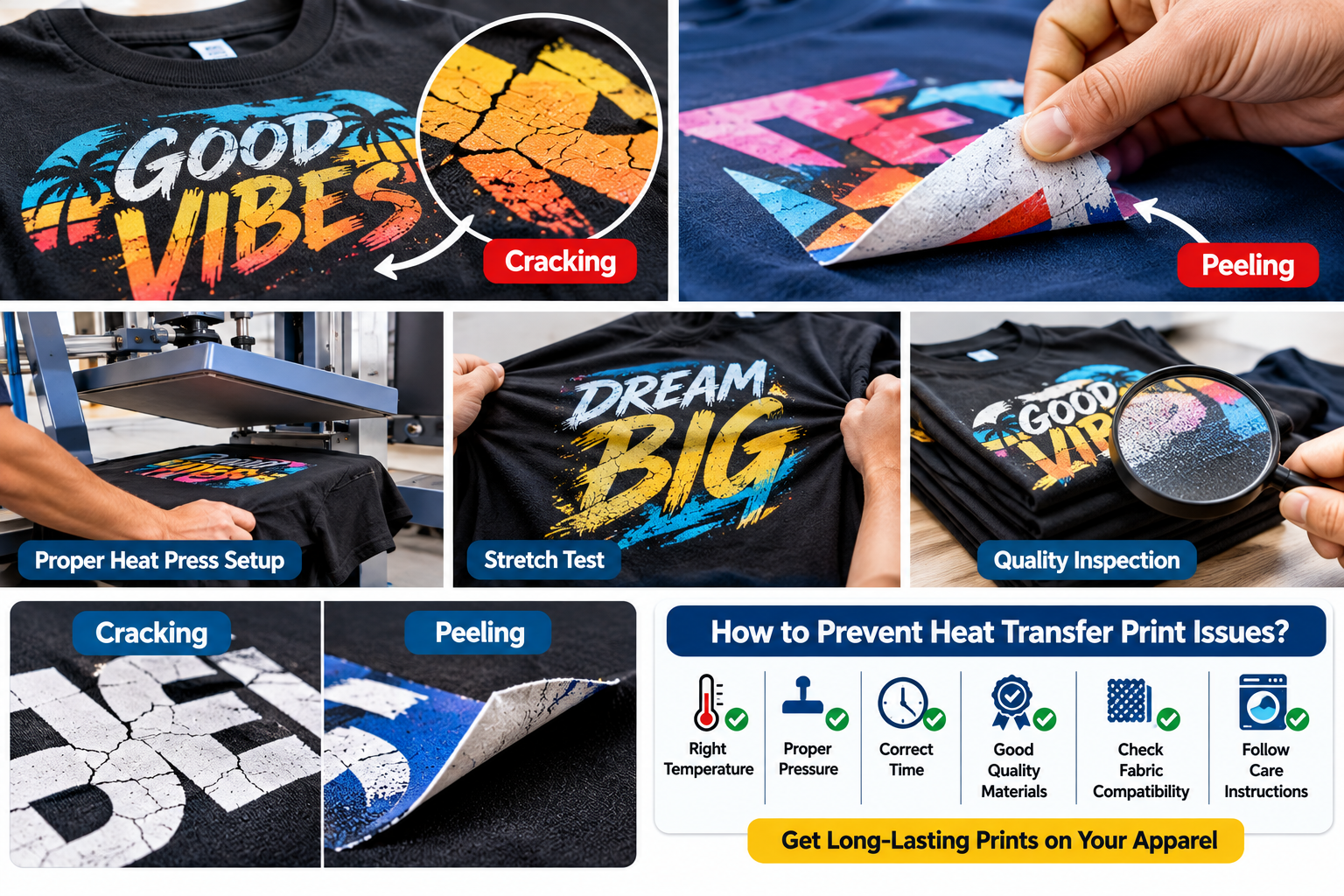
Temperature is one of the most important factors in heat transfer printing.
If the temperature is too low, the adhesive may not activate sufficiently to bond with the garment. If the temperature is too high, it may damage the transfer material, affect the fabric or create unwanted heat marks.
How to prevent it:
Different materials, including DTF transfers, heat transfer vinyl and screen-printing transfers, can require different application settings. Always follow the relevant manufacturer’s technical instructions.
Proper pressure helps the transfer material make consistent contact with the garment surface.
Insufficient pressure can result in weak adhesion, while uneven pressure can cause certain parts of the design to lift or peel.
This problem can occur when the printing area contains:
How to prevent it:
Consistent pressure is especially important when maintaining the same print quality across bulk orders.
Every heat transfer material has its own recommended pressing time.
Insufficient pressing time may prevent the adhesive from bonding properly. Excessive pressing can expose the fabric and transfer to unnecessary heat.
How to prevent it:
Temperature, time and pressure should always be considered together rather than adjusted independently without testing.
The quality of transfer film, adhesive, ink and other materials can influence the final printing result.
Unsuitable materials may produce weak adhesion, inconsistent flexibility or poor wash performance.
For example, a transfer designed for one type of fabric may not perform equally well on a different fabric composition.
How to prevent it:
Choosing appropriate materials is an important step towards achieving consistent garment decoration quality.
Not every heat transfer material is suitable for every fabric.
Cotton, polyester, cotton-polyester blends and stretch fabrics have different characteristics. Some fabrics are also sensitive to high temperatures or may have surface treatments that affect adhesion.
For example, polyester sportswear may require special consideration because excessive heat can damage the fabric or cause dye migration.
How to prevent it:
Fabric compatibility should be confirmed before starting large garment production runs.
Some transfer films require hot peeling, while others require warm or cold peeling.
Removing the carrier film at the wrong stage may cause the design to lift, separate or lose small details.
How to prevent it:
Never assume that every DTF or heat transfer material follows the same peeling process.
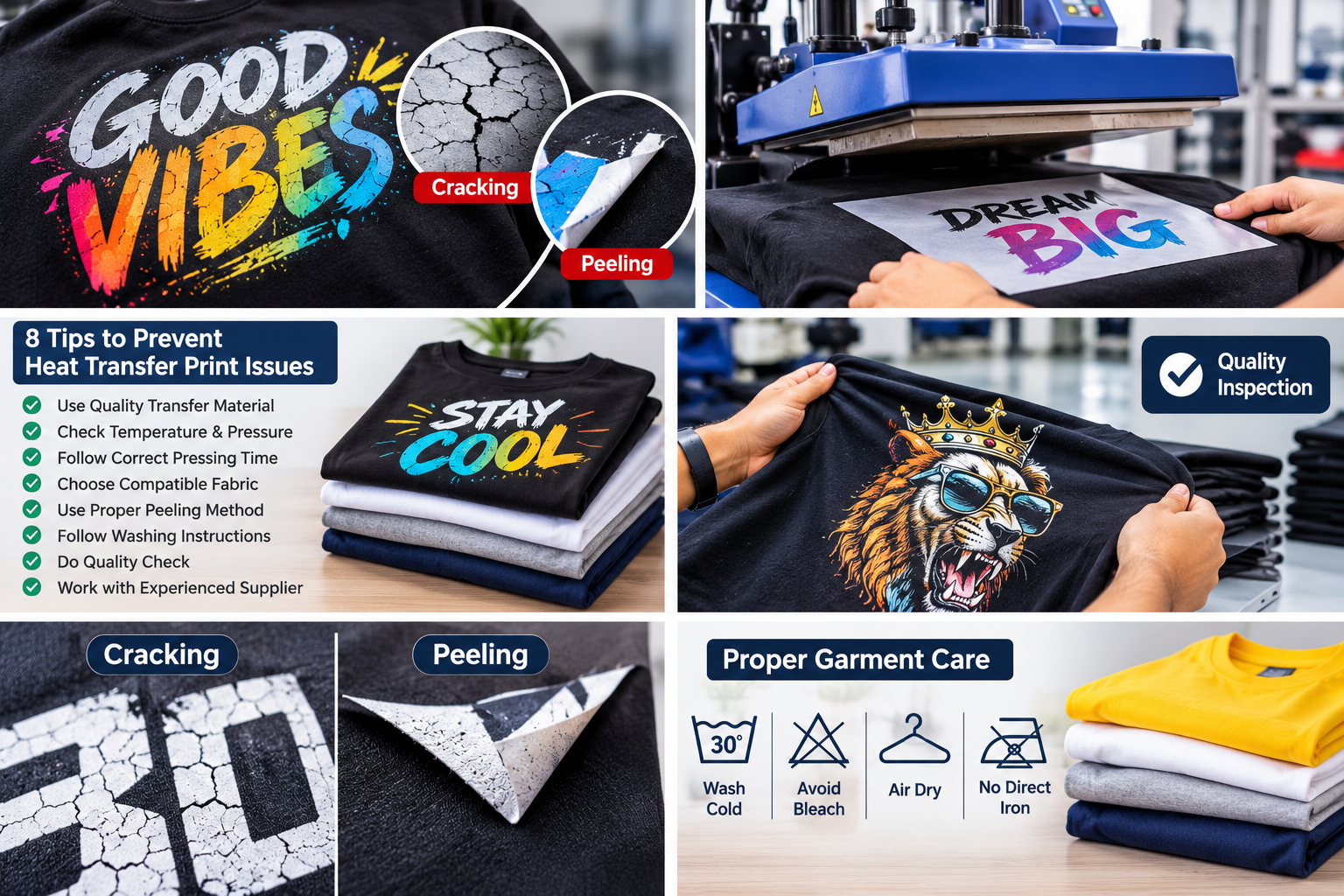
Even a correctly applied transfer can experience premature wear if the garment is exposed to harsh washing and drying conditions.
Common mistakes include:
How to prevent it:
Prevention starts with selecting the right materials and continues through the application and quality-control process.
Here are eight important practices for better printing results:
| Prevention method | Why it matters |
|---|---|
| Select suitable transfer materials | Supports proper adhesion and flexibility |
| Check fabric compatibility | Helps prevent bonding and fabric issues |
| Verify heat press temperature | Ensures appropriate heat application |
| Maintain even pressure | Reduces inconsistent adhesion |
| Follow recommended pressing time | Supports proper adhesive activation |
| Use the correct peeling method | Helps prevent design separation |
| Conduct quality inspections | Identifies defects before delivery |
| Follow proper garment care | Reduces unnecessary wear and damage |
For apparel brands and garment manufacturers, checking print quality before beginning a large production run is extremely important.
A small printing defect repeated across hundreds of garments can create significant quality issues, wastage and customer complaints.
Consider these five quality checks:
Inspect whether the design is properly bonded to the garment.
Look for:
Gently stretch the printed area according to the intended garment use.
Check whether the design shows premature cracking, separation or loss of flexibility.
Wash a sample garment according to the intended care instructions.
After washing, inspect the design for:
Check the overall appearance of the printed garment.
Inspect:
Always test the selected transfer material on the actual garment fabric before approving the production run.
This is particularly important when working with polyester, blended fabrics and stretch garments.
Cracking and peeling are two different problems that can affect heat transfer prints.
Understanding the difference helps identify the possible reason behind a printing defect.
| Feature | Cracking | Peeling |
|---|---|---|
| Appearance | Lines or splits appear within the design | Design starts lifting from the fabric |
| Common causes | Stretching, material flexibility or application issues | Weak or incomplete adhesion |
| Visible signs | Broken or separated print areas | Raised edges or detached sections |
| Prevention | Suitable materials and correct application | Proper heat, pressure and peeling technique |
If a print cracks across the design, check the flexibility of the transfer material and its suitability for the garment.
Different garment decoration methods serve different purposes. The right choice depends on fabric composition, design requirements, garment usage and production quantity.
| Printing method | Common applications | Important consideration |
|---|---|---|
| DTF Printing | T-shirts, hoodies and customized apparel | Fabric compatibility and application settings |
| Heat Transfer Vinyl | Names, numbers, logos and simple designs | Material type and design complexity |
| Screen Printing | Bulk garment graphics and branding | Artwork, colour requirements and production setup |
| Sublimation Printing | Suitable polyester-based garments | Fabric composition and coating requirements |
| Embroidery | Logos and decorative garment details | Fabric structure and design complexity |
There is no single decoration method that is best for every garment.
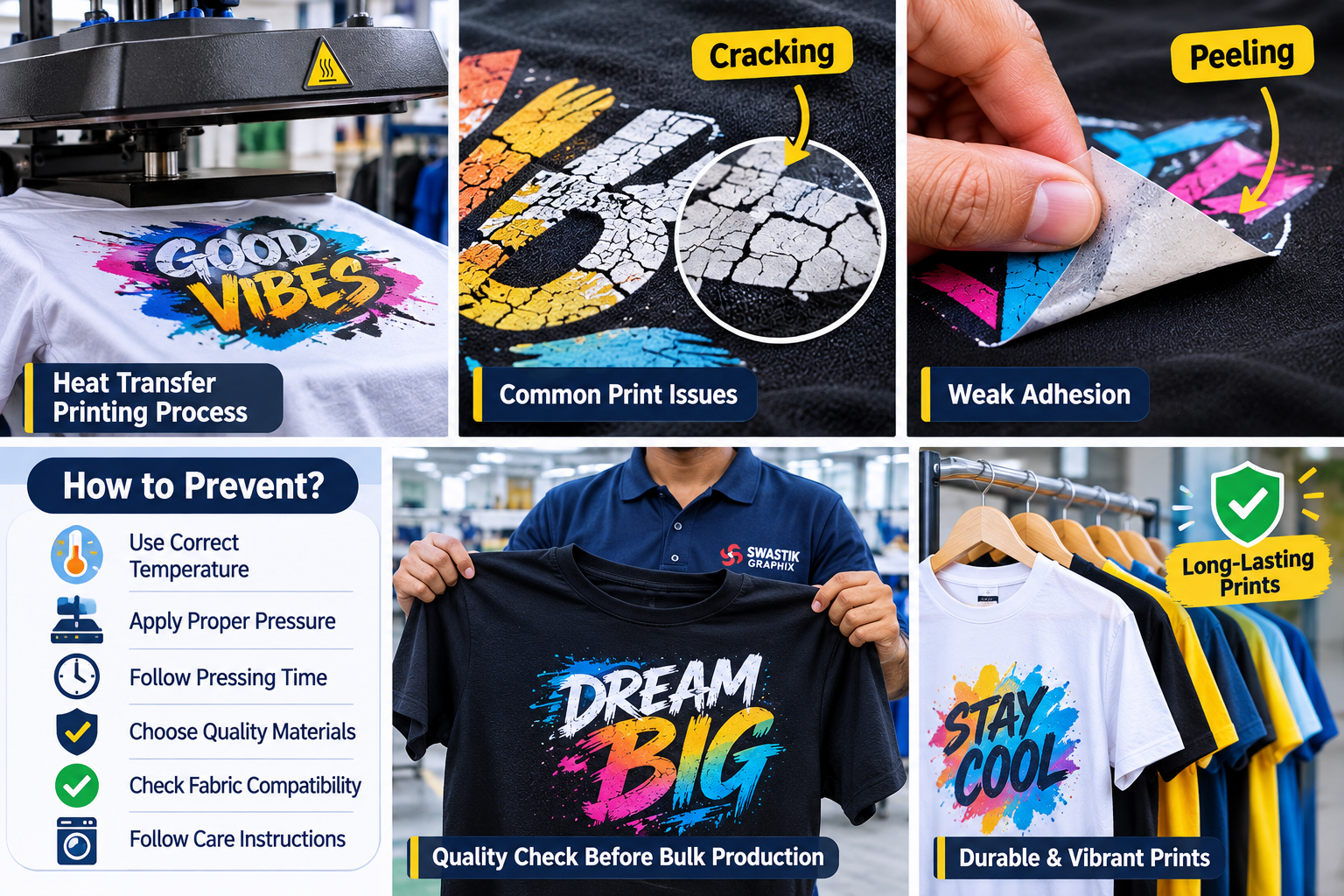
For an apparel brand, garment decoration is not just about visual appearance. It also influences product quality, customer satisfaction and brand reputation.
Poor-quality printing can result in:
For businesses handling bulk garment production, maintaining consistent printing quality is essential.
Before selecting a garment printing partner, apparel brands should evaluate more than just the printing price.
Consider these important factors:
1. Printing experience: Check whether the supplier understands different garment decoration techniques.
2. Material selection: Confirm whether suitable materials are selected for different fabrics and applications.
3. Quality control: Ask about sample testing, print inspection and production checks.
4. Production capacity: Ensure the supplier can handle your bulk order requirements.
5. Design accuracy: Check whether the supplier can maintain the correct artwork, colours and placement.
6. Communication: Choose a printing partner who understands your garment specifications and production requirements.
Working with an experienced garment customization partner can help apparel businesses manage their decoration requirements more efficiently.
Swastik Graphix provides garment customization and printing solutions for apparel brands, garment manufacturers and bulk clothing sellers.
Our services include:
Explore our Garment Customization Services to understand our printing and decoration solutions.
Heat transfer prints may crack after washing because of unsuitable transfer materials, excessive stretching, incorrect application settings or harsh washing conditions. Proper material selection and sample testing can help reduce these problems.
Peeling usually occurs when the transfer adhesive does not bond properly with the fabric. Incorrect temperature, insufficient pressure, unsuitable pressing time or incorrect peeling technique may contribute to the problem.
Use suitable transfer materials, follow the manufacturer’s application instructions, test fabric compatibility and provide proper washing instructions. Quality inspection before bulk production is also important.
Yes. Cotton, polyester, blended and stretch fabrics have different properties. Selecting the appropriate transfer material and application settings for each fabric helps achieve better results.
Yes. Many properly applied garment heat transfers can be machine washed, provided the recommended garment and transfer care instructions are followed.
There is no universal temperature for all heat transfer methods. The correct temperature depends on the transfer material, garment fabric and manufacturer’s application instructions.
Prepare a sample garment and inspect adhesion, design placement, flexibility, appearance and wash performance before approving the complete production run.
DTF, heat transfer vinyl, screen-printing transfers and other decoration methods are suitable for different applications. The best option depends on fabric composition, design requirements, garment usage and production quantity.
Heat transfer prints cracking or peeling can be frustrating for both apparel brands and garment manufacturers. However, many printing problems can be reduced through proper material selection, fabric compatibility checks, correct heat press settings and quality inspection.
For businesses handling bulk garment production, testing samples before mass production is an important step towards maintaining consistent printing quality.
Choosing an experienced garment customization partner can also help reduce production issues and improve the overall appearance of apparel products.
Looking for reliable bulk garment printing and customization services in India?
Swastik Graphix offers professional garment decoration solutions for apparel brands, garment manufacturers and bulk clothing sellers.
Whether you require DTF printing, heat transfer stickers, screen printing, embroidery or customized garment embellishments, our team can help you discuss your bulk production requirements.
