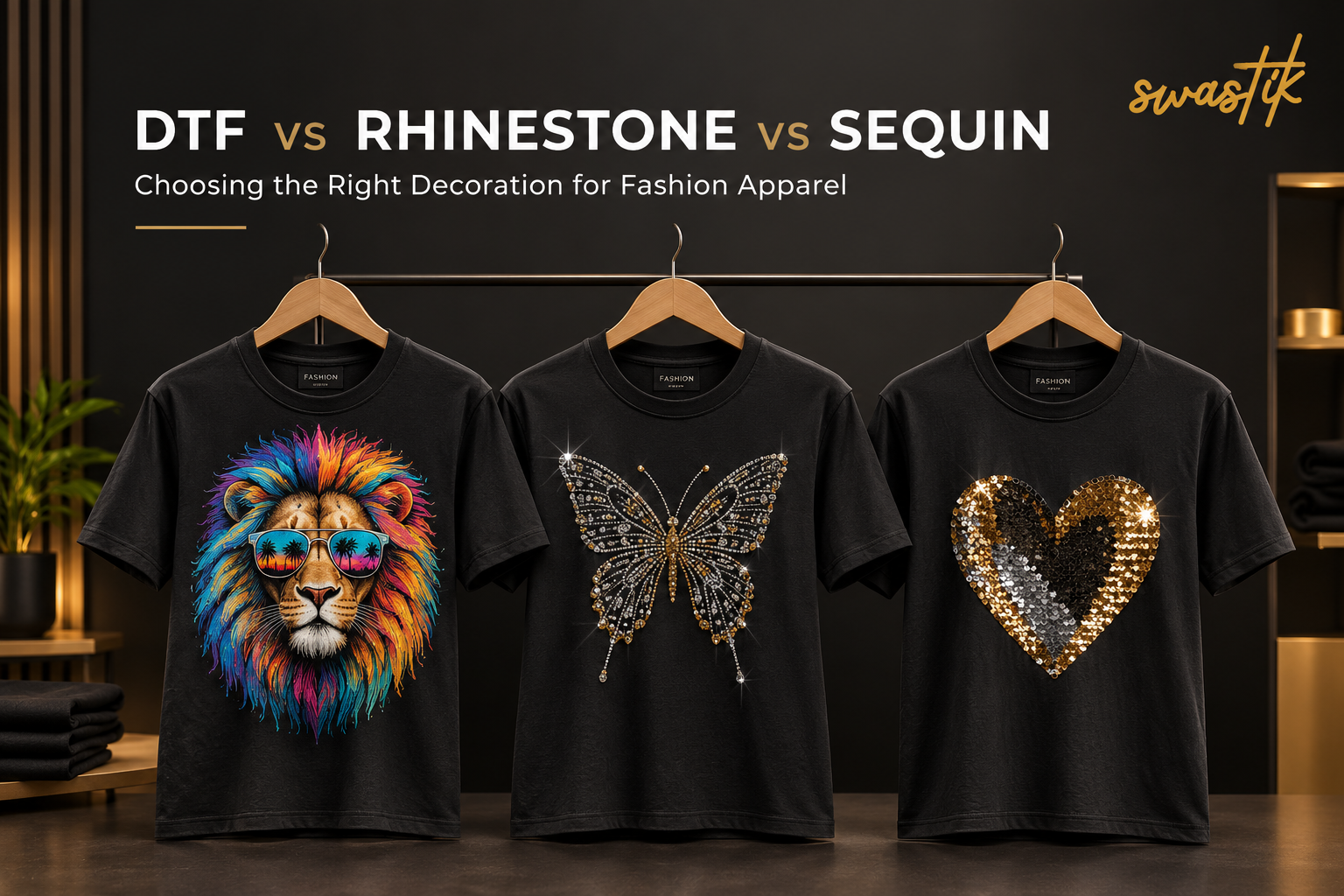
DTF vs Rhinestone vs Sequin…
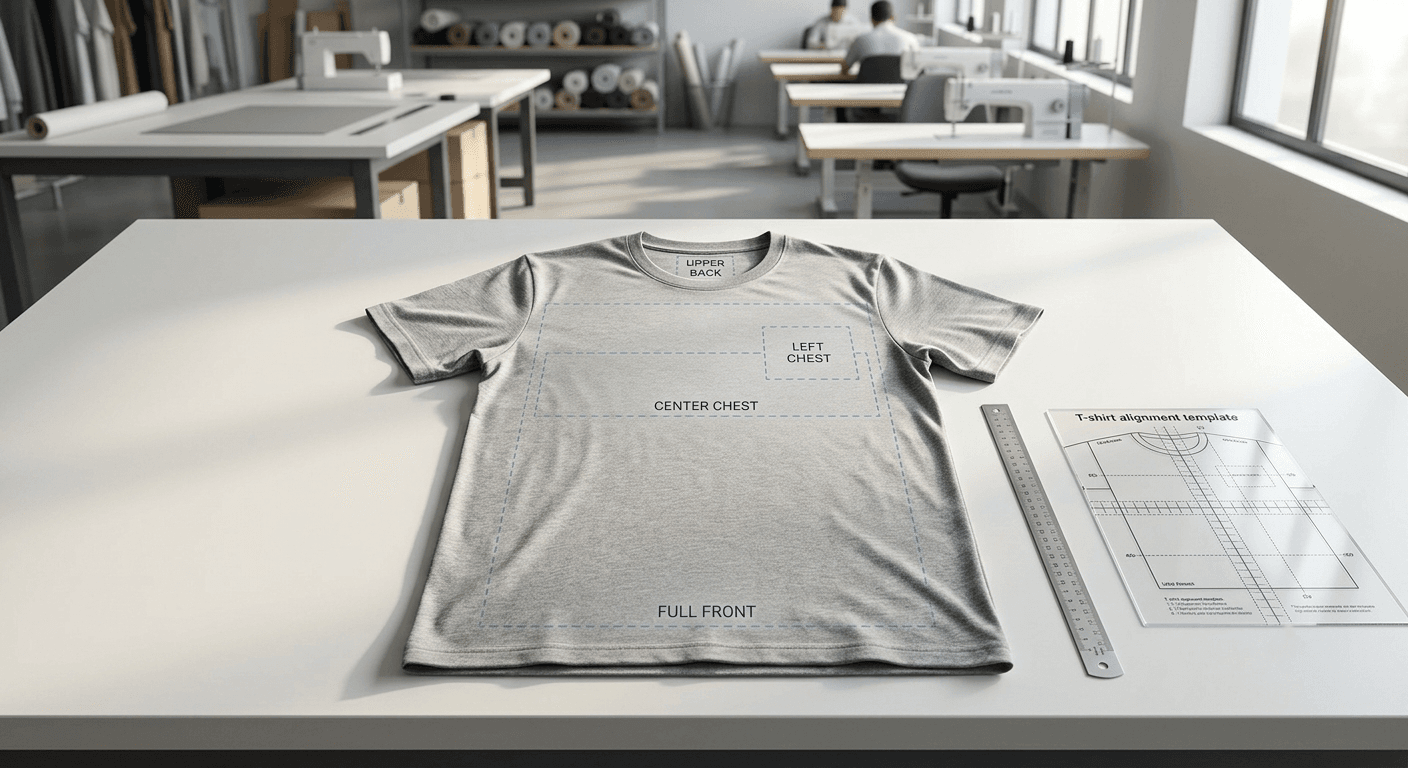
How to Choose the Right…
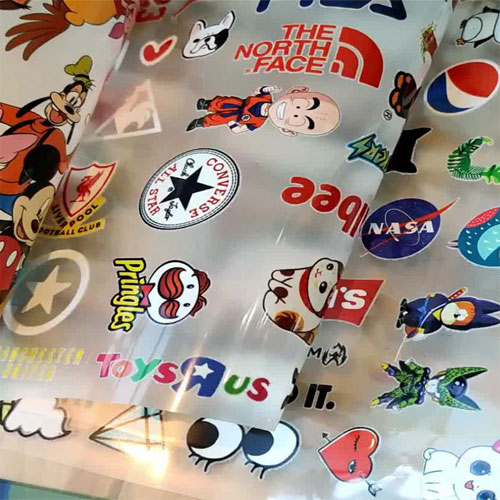
<h1 data-path-to-node="0">Premium Heat Transfer Solutions for B2B Success: High-Quality Apparel Branding in West Bengal</h1> <p data-path-to-node="1">Welcome to <b data-path-to-node="1" data-index-in-node="11">Swastik Graphix</b>, your premier destination for high-quality heat transfer solutions in Kolkata, West Bengal. As a leading manufacturer and B2B supplier, we specialize in delivering high-definition, durable, and vibrant heat transfer stickers and vinyl labels designed specifically for the garment industry. Whether you are a corporate apparel brand, a high-fashion startup, or a bulk garment exporter, our premium quality heat transfer technology ensures your brand stands out at an affordable price.</p><h2 data-path-to-node="2">Why Choose Heat Transfer for Your B2B Apparel Business?</h2> <p data-path-to-node="3">In the fast-paced world of Indian fashion and corporate branding, the demand for precision and durability is higher than ever. Heat transfer printing has emerged as the gold standard for garment customization. Unlike traditional methods, our heat transfer process ensures a seamless, "tagless" feel that enhances the wearer's comfort while maintaining sharp, photographic-quality detail.</p><h3 data-path-to-node="4">High-Quality Finishes that Last</h3> <p data-path-to-node="5">At Swastik Graphix, we understand that durability is non-negotiable for bulk buyers. Our heat transfer stickers are engineered to withstand rigorous machine washes without fading, cracking, or peeling. From <b data-path-to-node="5" data-index-in-node="207">DTF (Direct to Film) transfers</b> to <b data-path-to-node="5" data-index-in-node="241">High-Density (HD) 3D stickers</b>, we provide premium quality solutions that maintain their integrity even on stretchable fabrics.</p><h3 data-path-to-node="6">Affordable Price for Bulk Orders</h3> <p data-path-to-node="7">We specialize in serving bulk buyers across West Bengal and India. By leveraging advanced automated machinery, we provide cost-effective heat transfer printing that allows B2B clients to maximize their margins without compromising on the final look. Our pricing models are specifically structured for garment manufacturers seeking long-term supply partners.</p><h2 data-path-to-node="9">Our Range of Heat Transfer Products</h2> <p data-path-to-node="10">Swastik Graphix offers a diverse catalog of heat transfer materials tailored to various textile applications.</p><h3 data-path-to-node="11">1. DTF Heat Transfer Stickers (Direct to Film)</h3> <p data-path-to-node="12">DTF is the trending SEO favorite for a reason. It allows for vibrant, multi-color designs on almost any fabric, including cotton, polyester, denim, and nylon. Our DTF stickers are perfect for:</p><ul data-path-to-node="13"> <li> <p data-path-to-node="13,0,0"><b data-path-to-node="13,0,0" data-index-in-node="0">T-shirt Manufacturers:</b> High-speed application with zero weeding.</p> </li> <li> <p data-path-to-node="13,1,0"><b data-path-to-node="13,1,0" data-index-in-node="0">Activewear Brands:</b> Flexible prints that move with the fabric.</p> </li> <li> <p data-path-to-node="13,2,0"><b data-path-to-node="13,2,0" data-index-in-node="0">Custom Merchandise:</b> Vivid colors that pop against any garment color.</p> </li> </ul> <h3 data-path-to-node="14">2. Premium Vinyl Heat Transfer (HTV)</h3> <p data-path-to-node="15">For clean, bold logos and corporate branding, our Vinyl Heat Transfer options are unmatched. We offer:</p><ul data-path-to-node="16"> <li> <p data-path-to-node="16,0,0"><b data-path-to-node="16,0,0" data-index-in-node="0">Matte & Glossy Finishes:</b> For a sleek, professional corporate look.</p> </li> <li> <p data-path-to-node="16,1,0"><b data-path-to-node="16,1,0" data-index-in-node="0">Reflective Heat Transfer:</b> Essential for safety gear and trendy "streetwear" collections in Kolkata.</p> </li> <li> <p data-path-to-node="16,2,0"><b data-path-to-node="16,2,0" data-index-in-node="0">Metallic & Glitter Vinyl:</b> Adding a luxury touch to premium fashion labels.</p> </li> </ul> <h3 data-path-to-node="17">3. High-Density (HD) 3D Heat Transfers</h3> <p data-path-to-node="18">Take your branding to the next dimension. Our HD heat transfer stickers provide a raised, tactile effect that screams premium quality. This is a favorite for sports brands and high-end fashion boutiques looking to differentiate their products in the West Bengal market.</p><h3 data-path-to-node="19">4. Tagless Neck Labels</h3> <p data-path-to-node="20">Enhance your brand's perceived value by replacing itchy woven labels with soft, heat-applied neck transfers. These are perfect for exporters and brands focusing on consumer comfort.</p><h2 data-path-to-node="22">Targeted Solutions for Bulk Buyers and Manufacturers</h2> <p data-path-to-node="23">If you are a garment exporter in Metiabruz, a wholesaler in Burrabazar, or a fashion startup in Salt Lake, Swastik Graphix is built to scale with your needs.</p><h3 data-path-to-node="24">Streamlined B2B Workflow</h3> <p data-path-to-node="25">We understand the logistics of bulk production. Our process is designed for speed:</p><ul data-path-to-node="26"> <li> <p data-path-to-node="26,0,0"><b data-path-to-node="26,0,0" data-index-in-node="0">Custom Prototyping:</b> Get a sample to test on your specific fabric.</p> </li> <li> <p data-path-to-node="26,1,0"><b data-path-to-node="26,1,0" data-index-in-node="0">Scalable Production:</b> From 500 to 50,000+ units, we maintain consistent color accuracy.</p> </li> <li> <p data-path-to-node="26,2,0"><b data-path-to-node="26,2,0" data-index-in-node="0">Fast Turnaround:</b> Located in West Bengal, we offer rapid delivery to minimize your production downtime.</p> </li> </ul> <h3 data-path-to-node="27">Sustainable and Eco-Friendly Options</h3> <p data-path-to-node="28">The global market is shifting toward sustainability. Swastik Graphix offers eco-friendly heat transfer vinyl options that use water-based adhesives and non-toxic inks. These materials are perfect for sustainable clothing brands looking to appeal to environmentally conscious consumers.</p><h2 data-path-to-node="30">The Swastik Graphix Advantage in West Bengal</h2> <h3 data-path-to-node="31">West Bengal’s Trusted Branding Partner</h3> <p data-path-to-node="32">Operating out of the heart of West Bengal, we have a deep understanding of the local textile ecosystem. We serve the massive garment hubs of Kolkata, providing on-the-ground support that international suppliers simply cannot match. When you search for "Heat Transfer Stickers Kolkata" or "DTF Printing West Bengal," Swastik Graphix is the name associated with reliability.</p><h3 data-path-to-node="33">High-Definition Precision</h3> <p data-path-to-node="34">Our technology allows for intricate designs that screen printing often struggles with. We can reproduce fine lines, small text, and complex gradients with 100% accuracy. This precision is vital for corporate logos and detailed artistic prints.</p><h3 data-path-to-node="35">Versatility Across Industries</h3> <p data-path-to-node="36">While we are leaders in the garment sector, our heat transfers are also ideal for:</p><ul data-path-to-node="37"> <li> <p data-path-to-node="37,0,0"><b data-path-to-node="37,0,0" data-index-in-node="0">Bags and Backpacks:</b> Durable transfers for canvas and synthetic materials.</p> </li> <li> <p data-path-to-node="37,1,0"><b data-path-to-node="37,1,0" data-index-in-node="0">Caps and Hats:</b> Perfect for small-surface area branding.</p> </li> <li> <p data-path-to-node="37,2,0"><b data-path-to-node="37,2,0" data-index-in-node="0">Home Textiles:</b> Personalized cushions, curtains, and linens.</p> </li> </ul> <h2 data-path-to-node="39">How to Apply Swastik Graphix Heat Transfers</h2> <p data-path-to-node="40">Our products are designed for easy application using a standard industrial heat press. For bulk buyers, we provide detailed technical specifications regarding temperature, pressure, and peel time (Hot Peel/Cold Peel) to ensure every garment is perfect.</p><ol start="1" data-path-to-node="41"> <li> <p data-path-to-node="41,0,0"><b data-path-to-node="41,0,0" data-index-in-node="0">Preparation:</b> Ensure the garment is flat and moisture-free.</p> </li> <li> <p data-path-to-node="41,1,0"><b data-path-to-node="41,1,0" data-index-in-node="0">Positioning:</b> Place the Swastik Graphix transfer precisely on the target area.</p> </li> <li> <p data-path-to-node="41,2,0"><b data-path-to-node="41,2,0" data-index-in-node="0">Pressing:</b> Apply heat according to the provided material guidelines.</p> </li> <li> <p data-path-to-node="41,3,0"><b data-path-to-node="41,3,0" data-index-in-node="0">Finishing:</b> Peel the carrier film to reveal a vibrant, permanent brand mark.</p> </li> </ol> <h2 data-path-to-node="43">Elevate Your Brand with Premium Heat Transfer Stickers</h2> <p data-path-to-node="44">In a competitive market, your branding is your identity. Don’t settle for low-grade stickers that crack after two washes. Invest in <b data-path-to-node="44" data-index-in-node="132">Premium Quality Heat Transfer</b> from Swastik Graphix and give your customers the durability they deserve.</p><h3 data-path-to-node="45">Get a Quote for Bulk Heat Transfer Today</h3> <p data-path-to-node="46">Are you ready to scale your production with the best heat transfer stickers in West Bengal? Contact Swastik Graphix for <b data-path-to-node="46" data-index-in-node="120">affordable price</b> quotes on bulk orders. Our team of experts is ready to assist you in choosing the right material for your fabric type.</p> <p data-path-to-node="47"><b data-path-to-node="47" data-index-in-node="0">Keywords:</b> <i data-path-to-node="47" data-index-in-node="10">Heat Transfer Stickers Kolkata, DTF Printing West Bengal, Bulk Garment Labels, Premium Heat Transfer Vinyl, B2B Clothing Branding, High-Quality Textile Stickers, Affordable Heat Press Labels India.</i></p><h2 data-path-to-node="49">Frequently Asked Questions (FAQ) for Bulk Buyers</h2> <h3 data-path-to-node="50">What is the minimum order quantity (MOQ) for B2B orders?</h3> <p data-path-to-node="51">We cater to both growing startups and large-scale manufacturers. Contact us directly to discuss a custom MOQ that fits your current production cycle.</p><h3 data-path-to-node="52">Can your heat transfers be applied to waterproof fabrics?</h3> <p data-path-to-node="53">Yes, we have specialized adhesives designed for nylon and treated waterproof fabrics often used in rainwear and outdoor gear.</p><h3 data-path-to-node="54">Do you offer design assistance?</h3> <p data-path-to-node="55">Our team can help optimize your artwork for the heat transfer process to ensure maximum clarity and color vibrancy.</p><h3 data-path-to-node="56">How long does delivery take within West Bengal?</h3> <p data-path-to-node="57">For bulk orders, we typically offer a quick turnaround time of 5-7 business days, depending on the complexity and volume of the order.</p><h3 data-path-to-node="59">Contact Swastik Graphix:</h3> <p data-path-to-node="61"><b data-path-to-node="61" data-index-in-node="0">Specialty:</b> Heat Transfer, Screen Printing, Embroidery, and Swarovski Customization.</p> <p data-path-to-node="62"><b data-path-to-node="62" data-index-in-node="0">Commitment:</b> High Quality, Precision, and Customer Satisfaction.</p> <p data-path-to-node="63"><i data-path-to-node="63" data-index-in-node="0">Transform your apparel into wearable art with Swastik Graphix—where creativity meets industrial precision.</i></p>
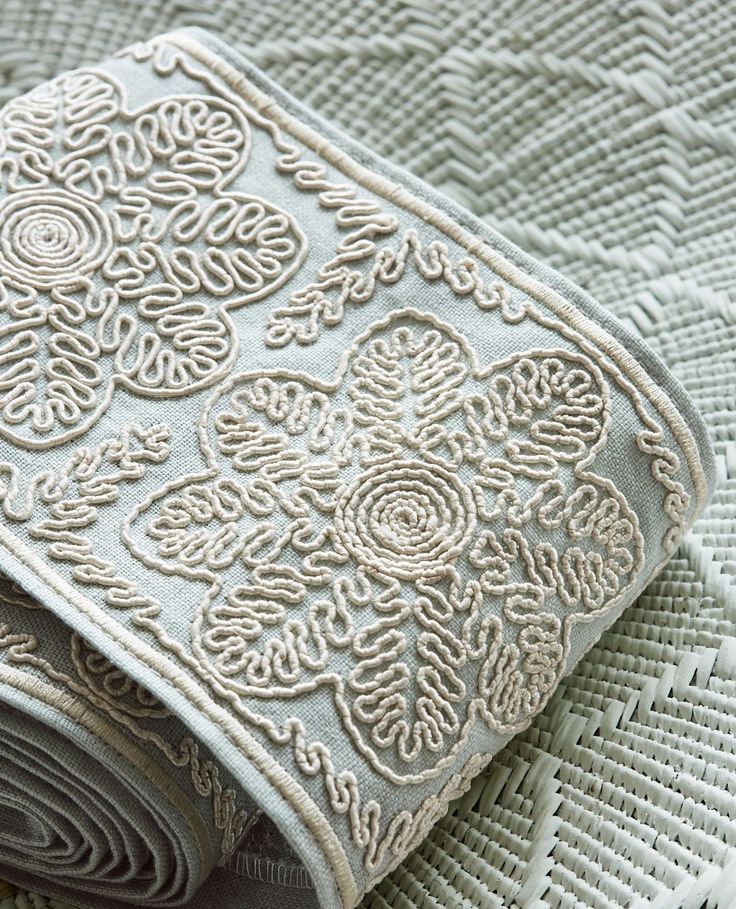
Bring texture and dimension to your designs with our premium <strong data-start="103" data-end="125">cording embroidery</strong> services. Perfect for fashion, home textiles, and accent pieces, we deliver precise, durable stitching with custom thread options. Ideal for bulk orders or bespoke runs—boost your brand with refined, tactile detailing.
DTF vs Rhinestone vs Sequin Transfers: Choosing the Right Decoration for Fashion Apparel Choosing the right garment decoration method is an important decision for apparel brands, clothing manufacturers, and fashion businesses. The right decoration can improve a garment’s appearance, support your brand identity, and help maintain consistent quality across bulk production. Among the popular options… Continue reading DTF vs Rhinestone vs Sequin Transfers for Apparel
Choosing the right garment decoration method is an important decision for apparel brands, clothing manufacturers, and fashion businesses. The right decoration can improve a garment’s appearance, support your brand identity, and help maintain consistent quality across bulk production.
Among the popular options for customized fashion apparel are DTF printing, rhinestone transfers, and sequin transfers. Each method offers a different visual effect and works best for different types of designs, garments, and customer expectations.
But which option should you choose for your clothing collection? Should you use DTF for detailed artwork, rhinestones for a sparkling finish, or sequins for a glamorous fashion statement?
In this guide, we compare DTF, rhinestone, and sequin transfers to help apparel brands select the right decoration method for their products and bulk manufacturing requirements.
DTF printing, rhinestone transfers, and sequin transfers are garment decoration methods that create different visual results.
The best choice depends on the artwork, desired appearance, garment material, production requirements, and expected product use.
Direct-to-Film (DTF) printing is a garment decoration process in which artwork is printed onto a special transfer film, prepared with suitable adhesive powder, and transferred onto a garment using heat and pressure according to the required process.
DTF printing is widely used for creating colorful and detailed garment designs.
1. Detailed and multicolor artwork
DTF can reproduce complex graphics, gradients, illustrations, and multicolor logos when the artwork and production settings are suitable.
2. Suitable for different design styles
From small chest logos to larger back graphics, DTF supports a wide variety of apparel design requirements.
3. Useful for customized clothing collections
Apparel brands can use DTF transfers for fashion T-shirts, promotional garments, merchandise, and other customized clothing products.
4. Flexible design possibilities
DTF can accommodate designs that would be difficult to reproduce using individual decorative stones or sequins.
DTF printing is commonly considered for:
However, the garment fabric, print dimensions, application settings, and intended use should be evaluated before production.
Explore our DTF printing services for garment decoration requirements.
Rhinestone transfers use decorative rhinestones arranged in a specific pattern or design. Depending on the transfer system, the stones can be applied to garments using a suitable heat-application process.
Rhinestones create a sparkling, raised decorative effect that is visually different from a printed graphic.
1. Sparkling visual appeal
Rhinestones reflect light and create a decorative finish that can help fashion garments stand out.
2. Suitable for premium fashion designs
They are often considered for occasionwear, performance apparel, statement T-shirts, fashion tops, and decorative branding.
3. Decorative patterns and lettering
Rhinestones can be arranged into lettering, motifs, symbols, borders, and other designs that suit the characteristics of the stones.
4. Distinctive texture
Unlike a conventional printed image, rhinestone designs have a raised, three-dimensional feel.
Rhinestone decoration may suit:
Rhinestone transfers are particularly useful when the main objective is a sparkling decorative effect rather than reproducing a complex photographic image.
For the best result, the stone size, spacing, design density, garment fabric, and application settings should be checked before bulk production.
Sequin transfers are decorative garment embellishments that use sequins to create a shimmering or reflective appearance. The construction and application process can vary depending on the type of sequin decoration being used.
Sequins are commonly associated with statement fashion, decorative motifs, and garments designed to attract attention through movement and reflected light.
1. Shimmering decorative effect
Sequins create a distinctive visual finish that differs from both printed artwork and rhinestone embellishments.
2. Suitable for fashion-focused collections
Sequin decoration can work well for selected fashion tops, occasionwear, statement garments, and decorative kidswear designs.
3. Effective for bold patterns
Large motifs, decorative lettering, and selected graphic arrangements can be designed around the reflective appearance of sequins.
4. Different appearance from conventional printing
Sequins add a decorative surface effect that can make a garment look more embellished than a standard printed design.
Sequin decoration may be considered for:
Before choosing sequins, consider the garment’s intended use, the construction of the transfer, the comfort requirements, and the care instructions. The suitability of a design depends on how the sequins are attached and how the finished garment will be worn and maintained.
The following comparison can help apparel brands decide which decoration method best matches their design requirements.
| Feature | DTF Printing | Rhinestone Transfers | Sequin Transfers |
|---|---|---|---|
| Visual appearance | Printed graphics and colors | Sparkling stones | Shimmering sequins |
| Best suited for | Detailed and multicolor artwork | Decorative, crystal-like designs | Reflective, statement designs |
| Design detail | Excellent for suitable fine artwork | Depends on stone size and spacing | Depends on sequin size and arrangement |
| Surface texture | Depends on transfer construction | Raised and textured | Decorative and textured |
| Color possibilities | Broad range of printed colors | Depends on available stones | Depends on available sequin colors and finishes |
| Common applications | Logos, illustrations, graphics | Sparkling motifs and lettering | Shimmering patterns and fashion embellishments |
| Main consideration | Artwork, film, fabric, and application settings | Stone layout, adhesion, and garment comfort | Sequin attachment, construction, and garment care |
Important: Actual durability, wash performance, comfort, and production efficiency depend on the transfer materials, application process, garment fabric, design construction, and care instructions. Testing the intended combination is recommended before bulk manufacturing.
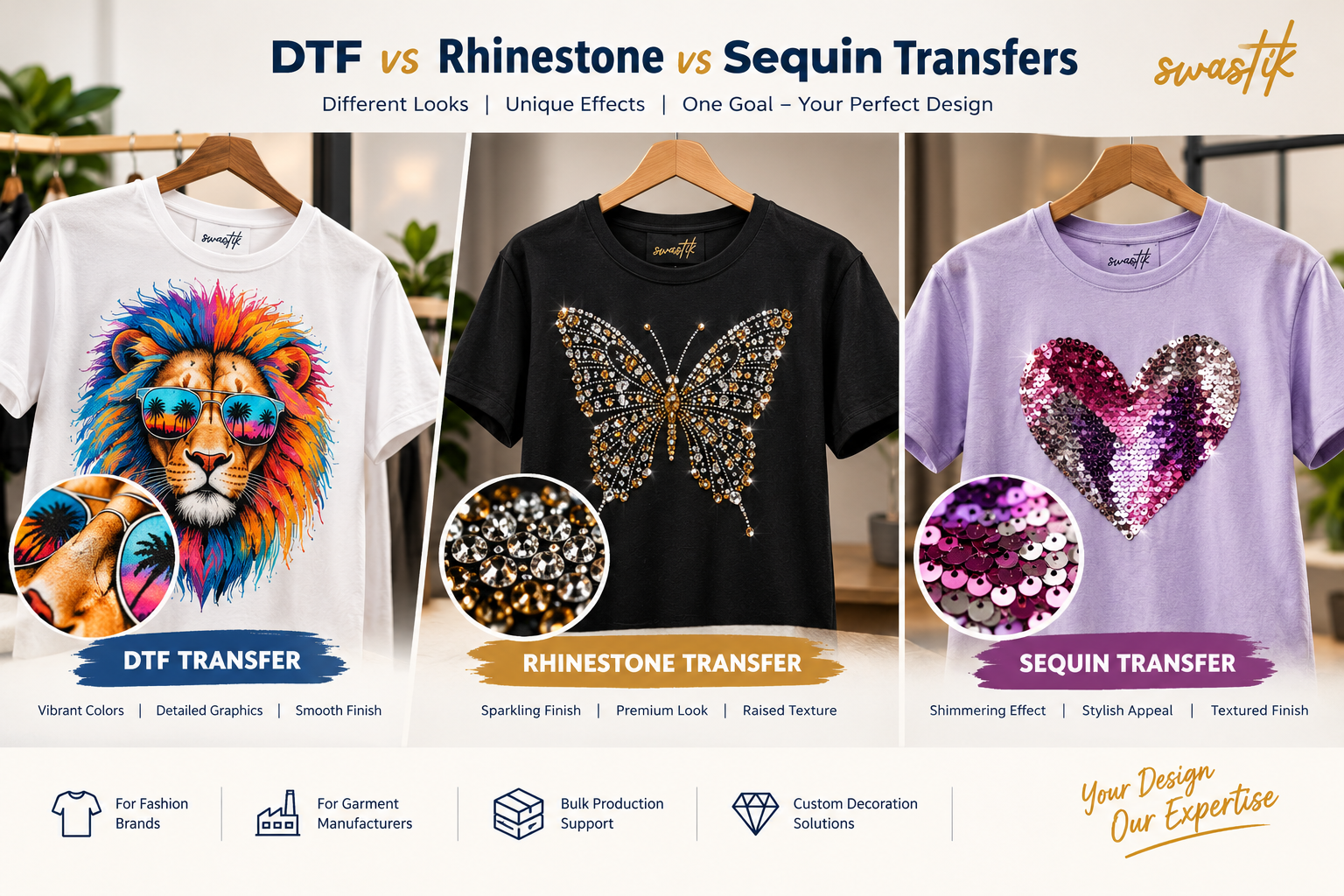
There is no single best decoration method for every garment. The right choice depends on the appearance you want to create and the needs of your target customers.
Yes. Selected garments can combine printed artwork with rhinestone or sequin embellishments to create a distinctive look.
For example, a fashion T-shirt might use DTF for a multicolor illustration and rhinestones for selected decorative highlights. A different design might combine printed lettering with sequin accents.
However, combinations should be assessed for fabric compatibility, placement, comfort, production complexity, and wash performance. Sample testing is important before approving the final design for bulk production.
The same decoration method may not suit every garment or collection.
DTF can be a suitable option for detailed graphics on compatible cotton T-shirts. Rhinestone or sequin embellishments may be considered when the design requires a more decorative finish.
The suitability of DTF and decorative transfers depends on the fabric construction and transfer materials. For sublimation-dyed polyester or sensitive fabrics, consider the potential effects of application temperature and pressure.
For kidswear, consider softness, comfort, attachment security, and the intended garment use. Any embellishment should be appropriate for the product’s age group and applicable safety requirements.
Rhinestones and sequins may be useful when sparkle and decorative appeal are central to the design. DTF may be more suitable when the artwork requires detailed, multicolor graphics.
Before selecting a method, assess the actual fabric, garment construction, and intended care requirements rather than relying only on the fabric name.
Selecting a decoration method is only one part of a successful garment production process. Apparel brands should also check the following points before approving a bulk order.
1. Artwork suitability
Confirm that the design can be reproduced using the selected decoration method. Check fine details, small text, gradients, stone spacing, and sequin arrangements where relevant.
2. Garment fabric compatibility
Confirm that the transfer system is suitable for the garment material and construction.
3. Sample approval
Review a sample on the actual garment before starting bulk production. Check appearance, dimensions, placement, color, texture, and overall finish.
4. Application settings
Use the process specifications appropriate to the transfer materials and garment. Avoid assuming that one temperature, pressure, or application time works for every method.
5. Durability testing
Conduct appropriate wash, adhesion, and wear tests where applicable. Follow the material supplier’s guidance and the intended garment-care requirements.
6. Design consistency
For bulk orders, check that print placement, stone patterns, sequin arrangements, and finished appearance remain consistent across production.
7. Order quantity and production planning
Confirm the required quantity, artwork approval, material availability, production schedule, and quality expectations with your decoration supplier before placing the order.
These checks help apparel businesses reduce avoidable production issues and make more informed decoration decisions.
DTF printing reproduces artwork using printed colors and graphics. Rhinestone transfers create a sparkling effect with decorative stones, while sequin transfers create a shimmering appearance using sequins. The right method depends on the desired design and garment requirements.
DTF is generally more suitable for intricate multicolor graphics, gradients, and detailed illustrations. Rhinestones are better suited to designs built around individual stones, sparkling patterns, and decorative lettering.
Yes. Rhinestone transfers can be suitable for fashion T-shirts when the garment fabric, transfer construction, design placement, and application process are compatible. A sample should be tested before bulk production.
Sequin transfers are used to create shimmering decorative patterns and embellishments on selected fashion garments, tops, occasionwear, and other clothing products. Their suitability depends on the sequin construction and the intended garment use.
The best method depends on the artwork, fabric, required finish, production capacity, and quality expectations. DTF may suit detailed printed graphics, while rhinestones and sequins may suit decorative designs. Requesting and approving a production sample helps establish the right choice.
Yes, selected designs can combine printed graphics with rhinestone or sequin details. The materials, application sequence, placement, and finished garment should be tested for compatibility before bulk production.
Brands should evaluate appropriate wash performance, adhesion, cracking or peeling where relevant, embellishment attachment, and changes in appearance after testing. Results depend on the decoration materials, application process, fabric, and care instructions.
Share your artwork, garment type and fabric, decoration preference, design dimensions, placement, required quantity, sample expectations, and delivery timeline. These details help the supplier evaluate the project and recommend an appropriate production method.
DTF printing, rhinestone transfers, and sequin transfers each offer different possibilities for fashion apparel.
DTF is a strong option for detailed printed artwork and multicolor graphics. Rhinestones are suitable for sparkling decorative designs, while sequins can create shimmering statement effects.
For apparel brands and garment manufacturers, the best decision comes from matching the decoration method to the design, fabric, target customer, and bulk production requirements.
At Swastik Graphix, we provide garment decoration solutions for apparel businesses looking for customized designs and bulk production support. Choosing the right method begins with understanding your artwork and the finish you want to achieve.
Planning a bulk garment decoration project?
Visit Swastik Graphix to explore our services or contact our team to discuss your requirements.
Swastik Graphix works with bulk orders, with a minimum order quantity (MOQ) of 300 pieces. Please share your garment details and required quantity when enquiring.
